

Why Do Joint and Muscle Pains Get Worse in Cold Weather? Many people will begin to experience increased joint stiffness, muscular aches and pains as well as general discomfort during daily tasks when the temperature falls throughout Canada. Cold weather may make pre-existing symptoms of such conditions as knee pain when walking outside, lower back pain in the morning during the winter months, or shoulder pain from shovelling snow appear to be worse than before. Why is it so cold in Canada during the winter? Can physical therapy help you keep active and comfortable during those long Canadian winters? When it comes to managing the discomfort associated with cold weather, understanding what happens to your body when you are exposed to cold temperatures will assist in protecting your joints and maintaining mobility during those times of the year when the temperature drops. Why Do Joint and Muscle Pains Increase in Cold Weather? During the winter months, your joint and muscle pain can be worse due to how you change your activity levels, how well your muscles work, and how sensitive you are to pain. Additionally, studies have shown that weather conditions can impact the symptoms experienced by people with certain chronic musculoskeletal disorders, such as arthritis. While cold weather may exacerbate symptoms for many individuals, it does not always have a similar effect on all people. It is important to note that although cold weather may worsen symptoms, it does not directly cause damage to joints. Here are some common reasons winter may increase discomfort. 1. Cold Temperatures Can Increase Muscle Stiffness In addition, being in a cold environment will cause your muscles to tighten and it will be necessary to warm-up prior to engaging in physical activity. Therefore, you may find that doing some common everyday activities such as walking, climbing stairs, bending down, or getting out of bed will become uncomfortable. This can cause increased discomfort and stiffness in those suffering from existing back/neck pain/muscle tightness on cold mornings. 2. Joint Stiffness May Become More Noticeable Lorem ipsum dolor sit amet, consectetur adipiscing elit. Ut elit tellus, luctus nec ullamcorper mattis, pulvinar dapibus leo. Many people with osteoarthritis, or other joint conditions, have reported that their symptoms (i.e. pain and stiffness) increase during the winter months. While there is a correlation between the change in temperature, atmospheric pressure, and the level of activity, it is still unclear as to how much each factor contributes to these fluctuations. When you sit or are inactive for a long time, your knees, hips, hands and shoulders can become stiff and/or sore. 3. Reduced Physical Activity Can Make Pain Worse During Canada’s winter months, icy sidewalks, cold temperatures, and snow will often prevent people from exercising outside. Prolonged sitting and lack of movement are common consequences of spending more time indoors. When you are inactive for long periods of time, your muscles will begin to weaken. You may find that your joints feel stiffer than usual. Daily activities such as walking, bending down, etc., may be more difficult. It is essential to remain physically active during the winter months. Lorem ipsum dolor sit amet, consectetur adipiscing elit. Ut elit tellus, luctus nec ullamcorper mattis, pulvinar dapibus leo. 4. Winter Activities Can Strain Your Muscles and Joints Heavy winter gear, shoveling snow, falling down on ice, and moving suddenly on slippery surfaces can cause extra stress to your body. Repeatedly bending over when you are shoveling snow can make your lower back pain worse. Lifting large amounts of snow may cause strain on your shoulders. If you wear shoes that aren’t appropriate for the conditions, you will be at a greater risk for slipping and falling. Using proper lifting techniques and taking regular breaks can prevent unneeded stress. 5. Existing Conditions May Become Harder to Manage Individuals who suffer from osteoarthritis, prior athletic injuries, long-term back pain, and/or other musculoskeletal issues will typically experience changes in symptom severity over the course of the winter season. Cold temperatures do not necessarily imply that an existing medical issue is becoming worse. On the other hand, long-term pain, decreased mobility, or increasing difficulty in performing daily tasks should be assessed properly. Which Body Parts Are Commonly Affected by Winter Pain? Depending on your past injuries, medical history and what you do during the winter months, there are many areas of your body that could experience pain or discomfort due to cold weather. Knees: Stiffness or discomfort when walking, climbing stairs, or standing up. Increased discomfort in the lower back after extended periods of sitting or from repeatedly shoveling snow. Neck and Shoulders: Muscle tightening due to position (posture), exposure to low temperatures, or lifting. Hands and fingers: Stiffness or pain, especially for those suffering from arthritis. Hips and ankles: Discomfort during walking or when getting moving after sitting. If you experience on-going, severe, or limiting pain from your daily routine, you should see a doctor or other health care provider as opposed to thinking that the cause of the pain is just the weather. How Can You Manage Joint and Muscle Pain During Winter? You don’t need to quit exercising during the winter months, and you certainly don’t have to stay inside all season long. With some simple modifications, you’ll be able to continue being mobile, and effectively control any discomfort that may arise. Stay Physically Active Choose activities that match your level of function (e.g. indoor walking, light stretching, stationary cycling, or other forms of exercise designed for strength). Begin with a small amount of activity and gradually increase it as you can tolerate. If the exercise causes a lot of pain, or if the pain is getting worse, you should stop doing it and consult with a doctor. Warm Up Before Exercise Take a couple of minutes to walk around slowly or perform some comfortable actions prior to beginning your workout. A slowly-paced warm-up prepares your body for the physical demands of exercise and can help with how easy it is to move
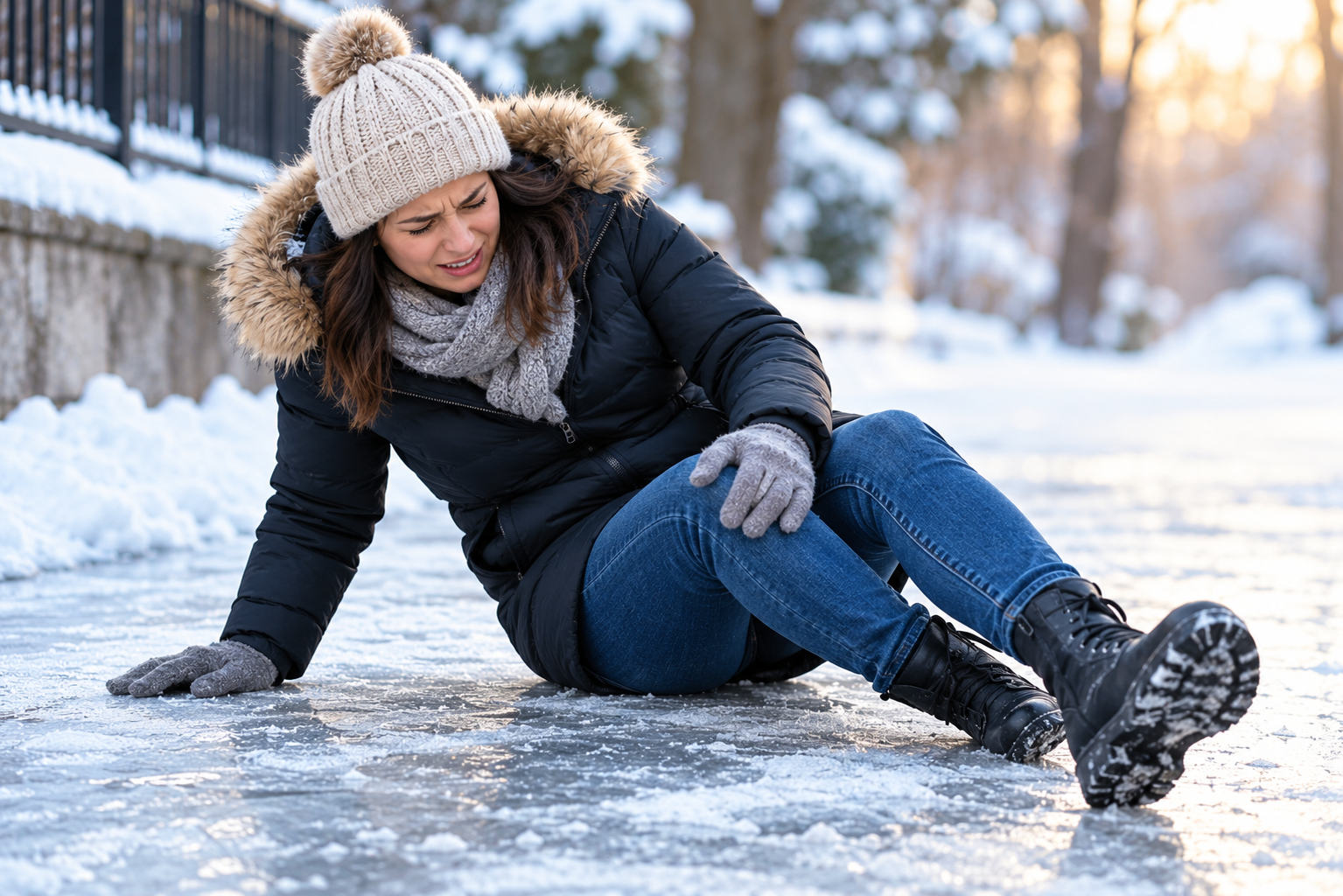
What should I do immediately after falling on ice?
What should I do immediately after falling on ice? Falling on ice is common in Canada during the winter. When you fall, it could result in anything from a slight bruise, a pulled muscle, a sprained ankle, a broken bone, a back injury, or even a head injury. Although you may seem fine at first, you could experience other symptoms several hours after the fall. When you slip on ice, it is important to know how to respond to the incident right away; to identify potential problems, and determine whether or not you should seek help from a doctor. After falling on ice, what do I need to do right away? 1) Stay Still and Assess Your Body Slowly Do not stand up right away; take some time to assess how you feel in your body first before you try to stand up. Look for: Sharp or severe pain Dizziness or confusion Numbness or tingling Weakness Neck or back pain Difficulty moving an arm or leg Pain when trying to put weight on your leg If you are feeling faint, disoriented, or badly hurt, do not attempt to get off the floor by yourself; find another person to assist you. 2) Pay Attention to Any Serious Warning Signs. The need for immediate medical treatment is greater than the need for physical therapy when certain types of injuries occur. Seek emergency medical care if you: Hit your head and develop concerning symptoms Heard a pop or snap at the time of the fall Have severe or rapidly increasing pain Cannot stand or walk normally Have an obvious deformity Experience significant numbness or weakness Develop confusion or vision changes Lose consciousness or develop severe headache or vomiting after a head injury Do not attempt to walk on a possible serious injury. 3) Move to a Safe, Warm Place If You Can When you are able to walk easily and do not experience any other symptoms of a severe injury, slowly get off the ice. Ask for help from someone if required. After being in a warm, dry area, spend additional time evaluating your symptoms. If you can’t get back on your feet without danger of falling again, then don’t try to get up. Instead, stay exactly as you are until someone comes to assist you. 4) What Can I Do for a Minor Injury? Minor strains/sprains may benefit from protecting the area of injury as well as avoiding physical activity which results in increased levels of discomfort. A popular method of treating injuries is the RICE method. Rest: Avoid physical activity or actions that cause you to feel worse than before.Lorem ipsum dolor sit amet, consectetur adipiscing elit. Ut elit tellus, luctus nec ullamcorper mattis, pulvinar dapibus leo. Ice: Wrap an ice pack in a towel and apply it for approximately fifteen to twenty minutes per application. Do not use the ice directly against your skin. Compression – A compression bandage could assist in reducing swelling associated with many types of limb injury as long as there is no increase in pain, numbness or color change. Elevation: It is recommended that you elevate your injured arm or leg when possible, to assist in controlling the swelling. Speak with a healthcare professional if you’re not sure how much of what we’ve listed will help with your injury. 5) Continuously Monitor Your Symptoms If you feel fine right away after a fall, this doesn’t necessarily indicate that you didn’t sustain an injury. It is possible for the pain, swelling, stiff joints, and/or discoloration (bruising) to develop into a much larger problem over time. Pay attention to changes in your ability to walk, move a joint or perform normal activities. An assessment of persistent or worsening symptoms must be conducted by a qualified healthcare provider. 6) Document Where the Fall Occurred. If the fall happened in front of your home, on a sidewalk, in a parking lot, on a commercial property, etc., take pictures of the ice/slip condition as long as it’s safe to do so. Record when and where the fall happened and, if possible, note what caused you to slip. This information can be useful when reporting the incident. When is it appropriate to go to a physiotherapist after falling on ice? When you are in continued discomfort; limited range of motion, reduced strength, decreased mobility, or difficulty resuming everyday activities following an injury from a fall, you should consider having a physical therapy evaluation. Physiotherapists can assess how you move and function; determine where the injury has caused damage to your body; and create a rehabilitation program specifically for you that takes into consideration what you want to achieve with respect to recovering from the injury. However, possible broken bones, serious brain damage, major nerve problems and/or any other life-threatening medical emergency should be evaluated by a healthcare professional prior to using this product. Frequently Asked Questions Can I walk after slipping on ice? If you can walk without significant pain or instability, you may be able to move to a safe location. If you cannot bear weight or walking causes severe pain, seek medical assessment. Should I use ice after falling? A cold pack wrapped in a towel may help manage pain and swelling associated with some minor injuries. Avoid placing ice directly against your skin. Can an injury appear hours after a fall? Yes. Some symptoms, including pain, stiffness and swelling, may become more noticeable after the initial fall. Continue monitoring your condition. How can I prevent another fall on ice? Wear footwear with good traction, take shorter steps, avoid rushing and use handrails where available. Balance, strength and mobility exercises may also help reduce fall risk. Can physiotherapy help after a winter fall? Physiotherapy may help with ongoing pain, stiffness, reduced mobility, weakness and difficulties returning to normal activities after an injury. The appropriate treatment depends on the type and severity of the injury. If you have slipped and fallen on ice and your symptoms are not improving,

How to Get Rid of a Stiff Neck Fast | 10-Second Relief & Prevention
How to Get Rid of a Stiff Neck in 10 Seconds Waking up with a stiff neck can ruin your entire day. The sharp, persistent pain makes simple movements like checking your blind spot or looking down at your phone feel like an impossible task. While the promise of getting rid of a stiff neck in just 10 seconds might sound too good to be true, there are immediate techniques you can use to find quick relief. However, it’s also important to understand the underlying causes to prevent it from coming back. This guide will provide a simple, effective stretch for fast relief, explore the common causes of neck stiffness, and explain when it’s time to seek professional help. For those dealing with persistent issues, understanding your options for chronic pain treatment in Brampton is the first step toward lasting comfort. The 10-Second Fix: A Simple Stretch for Immediate Relief While a single stretch won’t cure a chronic problem, it can provide remarkable, instant relief by gently mobilizing the affected muscles. This technique focuses on the levator scapulae muscle, which runs from the top of your shoulder blade to your neck and is a common culprit in neck stiffness. Disclaimer: Perform this stretch slowly and gently. If you feel any sharp pain, stop immediately. This is not a substitute for professional medical advice. The Levator Scapulae Stretch Identify the Stiff Side: Let’s say the right side of your neck is stiff. Sit upright in a chair with your feet flat on the floor. Position Your Hands: Place your right hand under your thigh or grab the side of the chair seat. This anchors your right shoulder down, preventing it from rising during the stretch. Gentle Rotation and Tilt: Turn your head about 45 degrees to the left, as if looking toward your left pocket. Apply Gentle Pressure: Bring your left hand up and over your head, placing it on the back of your head. Do not pull. Simply let the weight of your hand gently guide your chin down towards your left collarbone. Hold and Breathe: You should feel a gentle stretch along the back-right side of your neck. Hold this position for just 10-15 seconds while taking deep, slow breaths. Release slowly. This quick stretch can release immediate tension. You can repeat it 2-3 times, but avoid overstretching. While this provides a quick fix, understanding why your neck is stiff is crucial for long-term prevention. Why Do I Keep Getting a Stiff Neck? A stiff neck rarely appears out of nowhere. It’s usually the result of muscle strain or tension from daily habits and activities. Identifying these triggers is key to breaking the cycle of pain. The Usual Suspects: Posture and Sleep Poor Posture (“Tech Neck”): One of the most common causes today is poor posture while using screens. Hunching over a computer, looking down at a smartphone, or slumping on the couch puts continuous strain on your neck muscles and ligaments. Over time, this leads to inflammation, stiffness, and pain. Sleeping Position: Waking up with a stiff neck is often linked to your sleep setup. Sleeping on your stomach forces your head to be turned to one side for hours, straining your neck muscles. Similarly, using a pillow that is too high or too flat can push your neck into an unnatural position, causing stiffness by morning. Other Contributing Factors Repetitive Motions: Any activity that involves holding your head in one position for a long time can cause muscle fatigue and stiffness. This includes driving long distances, reading in bed, or certain hobbies like painting or knitting. Stress: When you’re stressed, you unconsciously tense the muscles in your neck and shoulders. Chronic stress can lead to chronically tight muscles, resulting in frequent stiffness and tension headaches. Minor Injuries: Activities like lifting something too heavy or a sudden, awkward movement during exercise can cause a minor muscle strain in the neck that results in stiffness. When a Stiff Neck Is More Than Just a Nuisance While most cases of neck stiffness resolve with gentle stretching, rest, and self-care, some situations require professional attention. Ignoring persistent pain can lead to more significant problems down the line. If your stiff neck is a recurring issue, it might be time to consider physiotherapy Brampton. Signs You Should See a Professional Don’t hesitate to seek help if you experience any of the following: Pain Persists for More Than a Week: If the stiffness doesn’t improve with self-care after several days, a professional evaluation is needed. Pain is Severe: Intense pain that disrupts your sleep or daily activities should be addressed immediately. Radiating Symptoms: If the neck pain is accompanied by numbness, tingling, or weakness that travels down your arms or into your hands, it could indicate a compressed nerve. Accompanied by Other Symptoms: Seek immediate medical attention if your stiff neck is paired with a fever, headache, nausea, or sensitivity to light, as these can be signs of a more serious condition. How Physiotherapy Can Provide a Lasting Solution A physiotherapist can offer a comprehensive approach that goes beyond temporary fixes. They don’t just treat the symptoms; they diagnose the root cause of your pain and create a personalized plan to correct it. For those seeking lasting relief, physiotherapy Brampton offers a path to better movement and a pain-free life. What to Expect from a Physiotherapy Assessment At Movement Rehab Inc, our process involves: Thorough Evaluation: A physiotherapist will assess your posture, range of motion, and muscle strength to pinpoint the exact cause of your neck stiffness. Manual Therapy: This includes hands-on techniques like massage and joint mobilization to release muscle tension, improve flexibility, and restore proper movement in the cervical spine. Personalized Exercise Programs: You will be given specific stretching and strengthening exercises to correct muscle imbalances, improve posture, and build resilience against future strain. Education: Your therapist will teach you about proper ergonomics for your workspace, ideal sleeping positions, and other lifestyle modifications to prevent the stiffness from returning.

How to Sleep with Lower Back Pain | Tips for Restful, Pain-Free Nights
How to Sleep with Lower Back Pain and Wake Up Refreshed A good night’s sleep is supposed to be restorative, but for millions of people suffering from lower back pain, bedtime can be a dreaded experience. Tossing and turning to find a comfortable position, only to wake up feeling stiffer and more sore than when you went to bed, is a frustrating cycle. The relationship between sleep and pain is a two-way street: pain disrupts sleep, and poor sleep can make pain feel even worse. Breaking this cycle is essential for recovery and overall well-being. The right sleeping position and a supportive environment can make a world of difference, allowing your spine to rest and your muscles to recover. This guide will explore the best sleeping positions to alleviate lower back pain, simple adjustments you can make tonight, and when it’s time to seek professional help. For those with persistent issues, exploring options for chronic pain treatment in Brampton can be the key to finally getting a restful night. The Best Sleeping Positions for Lower Back Pain Your sleeping posture has a direct impact on your spinal alignment. The goal is to maintain the natural curve of your spine, which reduces pressure on your lower back. Here are the top recommended positions to try. Sleeping on Your Back with Knee Support Sleeping on your back is often considered the best position for spinal health. It distributes your body weight evenly across the widest surface of your body, minimizing pressure points and ensuring your head, neck, and spine remain in a neutral alignment. How to optimize it: Lie flat on your back without tilting your head to one side. Place a small pillow under your knees. This slight elevation helps maintain the natural curve of your lower back, taking the strain off your lumbar spine. Use a supportive pillow for your head that keeps your neck aligned with your spine, avoiding one that is too high or too flat. This position allows your entire spine to rest in a supported, neutral position, which can significantly reduce pain. Sleeping on Your Side with a Pillow Between Your Knees If you’re a natural side sleeper, you don’t have to force yourself to sleep on your back. With a simple modification, side sleeping can also be very effective for relieving lower back pain. The key is to prevent your upper leg from sliding forward and twisting your spine. How to optimize it: Lie on your right or left side with your knees slightly bent. Place a firm pillow between your knees. This keeps your hips, pelvis, and spine in better alignment. Without the pillow, your top leg can drop down, putting rotational stress on your lower back and hips. You can also hug a pillow to your chest to help keep your upper body aligned. The Fetal Position for Herniated Discs The fetal position can be particularly beneficial for individuals with a herniated disc. Lying on your side and curling your torso towards your knees opens up the space between your vertebrae, which can reduce pressure on the affected disc. How to optimize it: Lie on your side and gently draw your knees up toward your chest until your back is relatively straight. Be careful not to curl up too tightly, as this can cause its own strain. Remember to switch sides periodically to prevent creating muscle imbalances. The One Position to Avoid: Sleeping on Your Stomach While it might feel comfortable for some, sleeping on your stomach is widely regarded as the worst position for back pain. When you lie on your stomach, it’s very difficult to keep your spine in a neutral position. It flattens the natural curve of your lumbar spine and forces you to turn your head to one side for hours to breathe. This torques your neck and upper back, creating misalignment that can lead to pain from your neck all the way down to your lower back. If you must sleep in this position, try placing a thin pillow under your pelvis and lower abdomen to help ease some of the strain. Optimizing Your Sleep Environment Beyond finding the right position, your mattress and pillows play a crucial role in the quality of your sleep and the health of your back. Choosing the Right Mattress The “perfect” mattress is subjective, but research suggests that a medium-firm mattress is generally best for people with lower back pain. A mattress that is too soft will cause your hips and pelvis to sink, leading to poor alignment. Conversely, a mattress that is too firm can create uncomfortable pressure points on your hips and shoulders. If a new mattress isn’t in your budget, a mattress topper can be a cost-effective way to adjust the firmness of your current bed. The Power of Pillows Pillows aren’t just for your head. As mentioned, strategic pillow placement is one of the most effective ways to support your body and alleviate back pain. The pillow under your head should support the natural curve of your neck, keeping it aligned with your spine. For back sleepers, a thinner pillow is often better. For side sleepers, a thicker, firmer pillow is needed to fill the space between your ear and the mattress. When to Seek Professional Help for Your Pain If you’ve tried adjusting your sleeping position and environment but still wake up with persistent lower back pain, it may be a sign of an underlying issue that requires professional attention. Self-care has its limits, and ignoring chronic pain can lead to more significant problems. This is where expert guidance from a physiotherapist becomes invaluable. For a lasting solution, seeking physiotherapy Brampton is a proactive step toward a pain-free life. How Physiotherapy Provides a Long-Term Solution A physiotherapist can offer a comprehensive diagnosis and treatment plan that addresses the root cause of your pain, rather than just the symptoms. At Movement Rehab Inc, a consultation involves: A Detailed Assessment: Your therapist will evaluate your posture, movement patterns,