
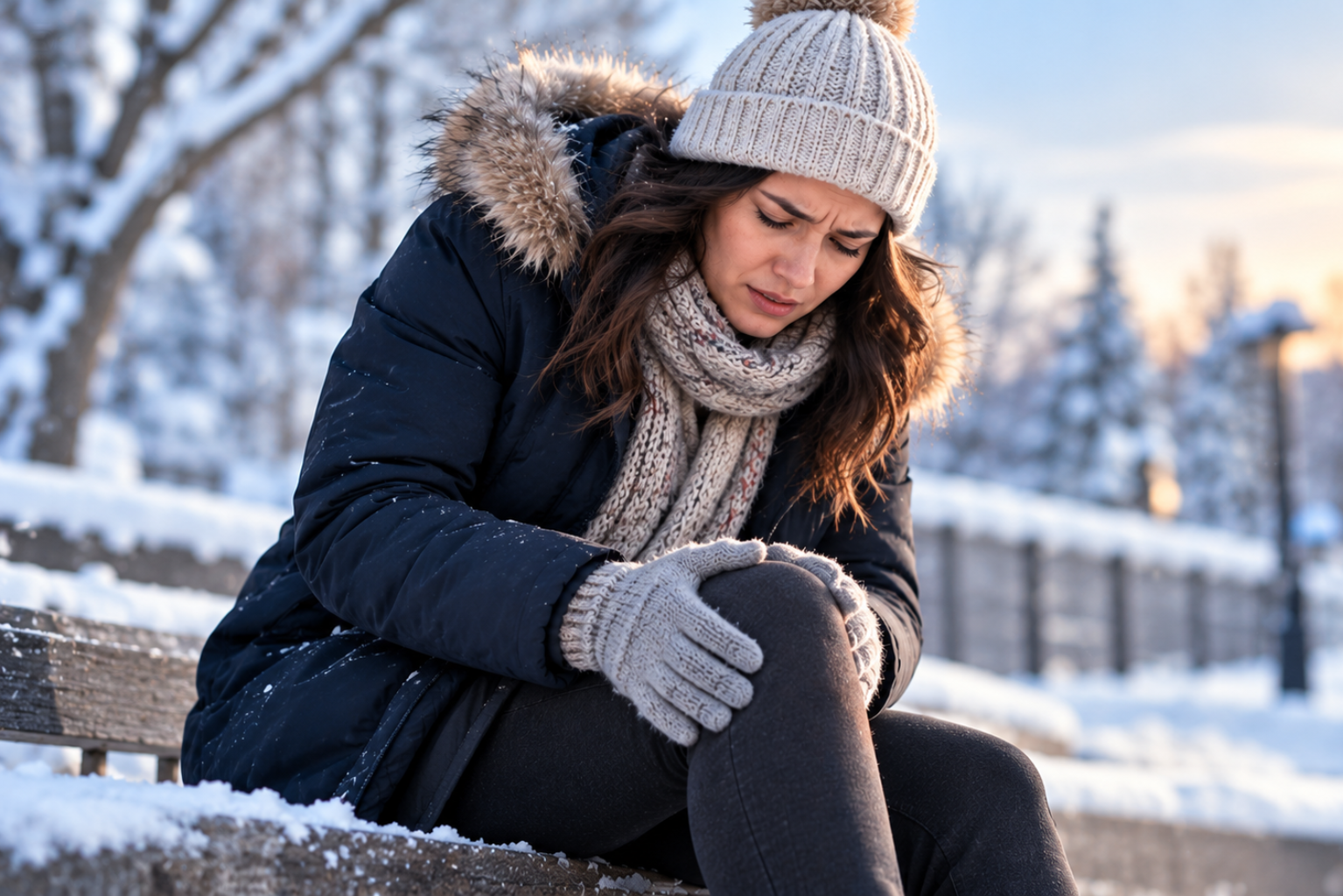
Why Do Joint and Muscle Pains Get Worse in Cold Weather?
Many people will begin to experience increased joint stiffness, muscular aches and pains as well as general discomfort during daily tasks when the temperature falls throughout Canada. Cold weather may make pre-existing symptoms of such conditions as knee pain when walking outside, lower back pain in the morning during the winter months, or shoulder pain from shovelling snow appear to be worse than before.
Why is it so cold in Canada during the winter? Can physical therapy help you keep active and comfortable during those long Canadian winters?
When it comes to managing the discomfort associated with cold weather, understanding what happens to your body when you are exposed to cold temperatures will assist in protecting your joints and maintaining mobility during those times of the year when the temperature drops.
Why Do Joint and Muscle Pains Increase in Cold Weather?
During the winter months, your joint and muscle pain can be worse due to how you change your activity levels, how well your muscles work, and how sensitive you are to pain. Additionally, studies have shown that weather conditions can impact the symptoms experienced by people with certain chronic musculoskeletal disorders, such as arthritis. While cold weather may exacerbate symptoms for many individuals, it does not always have a similar effect on all people. It is important to note that although cold weather may worsen symptoms, it does not directly cause damage to joints.
Here are some common reasons winter may increase discomfort.
1. Cold Temperatures Can Increase Muscle Stiffness
In addition, being in a cold environment will cause your muscles to tighten and it will be necessary to warm-up prior to engaging in physical activity. Therefore, you may find that doing some common everyday activities such as walking, climbing stairs, bending down, or getting out of bed will become uncomfortable.
This can cause increased discomfort and stiffness in those suffering from existing back/neck pain/muscle tightness on cold mornings.
2. Joint Stiffness May Become More Noticeable
Lorem ipsum dolor sit amet, consectetur adipiscing elit. Ut elit tellus, luctus nec ullamcorper mattis, pulvinar dapibus leo.
Many people with osteoarthritis, or other joint conditions, have reported that their symptoms (i.e. pain and stiffness) increase during the winter months. While there is a correlation between the change in temperature, atmospheric pressure, and the level of activity, it is still unclear as to how much each factor contributes to these fluctuations.
When you sit or are inactive for a long time, your knees, hips, hands and shoulders can become stiff and/or sore.
3. Reduced Physical Activity Can Make Pain Worse
During Canada’s winter months, icy sidewalks, cold temperatures, and snow will often prevent people from exercising outside. Prolonged sitting and lack of movement are common consequences of spending more time indoors.
When you are inactive for long periods of time, your muscles will begin to weaken. You may find that your joints feel stiffer than usual. Daily activities such as walking, bending down, etc., may be more difficult. It is essential to remain physically active during the winter months.
Lorem ipsum dolor sit amet, consectetur adipiscing elit. Ut elit tellus, luctus nec ullamcorper mattis, pulvinar dapibus leo.
4. Winter Activities Can Strain Your Muscles and Joints
Heavy winter gear, shoveling snow, falling down on ice, and moving suddenly on slippery surfaces can cause extra stress to your body.
Repeatedly bending over when you are shoveling snow can make your lower back pain worse. Lifting large amounts of snow may cause strain on your shoulders. If you wear shoes that aren’t appropriate for the conditions, you will be at a greater risk for slipping and falling.
Using proper lifting techniques and taking regular breaks can prevent unneeded stress.
5. Existing Conditions May Become Harder to Manage
Individuals who suffer from osteoarthritis, prior athletic injuries, long-term back pain, and/or other musculoskeletal issues will typically experience changes in symptom severity over the course of the winter season.
Cold temperatures do not necessarily imply that an existing medical issue is becoming worse. On the other hand, long-term pain, decreased mobility, or increasing difficulty in performing daily tasks should be assessed properly.
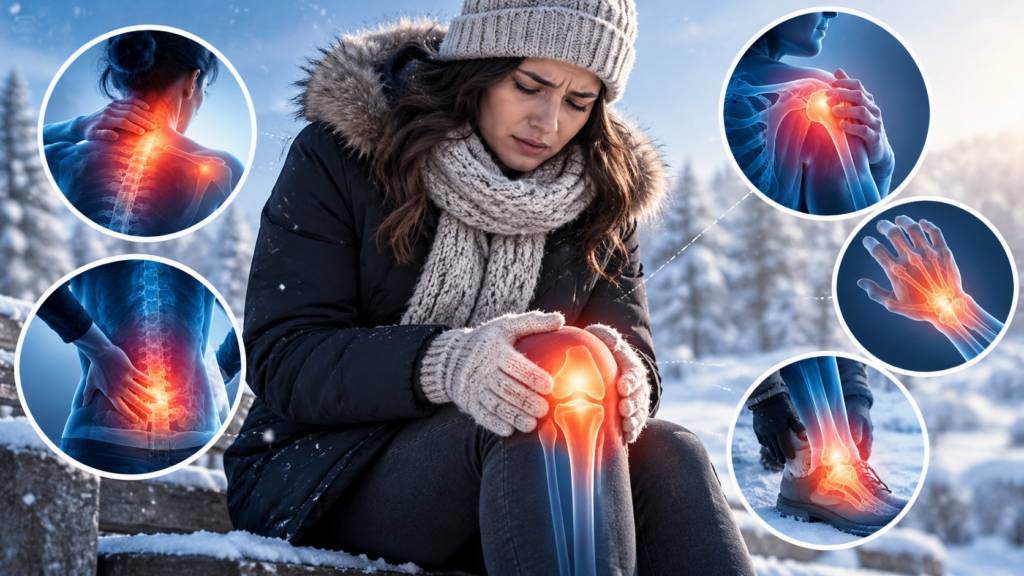
Which Body Parts Are Commonly Affected by Winter Pain?
Depending on your past injuries, medical history and what you do during the winter months, there are many areas of your body that could experience pain or discomfort due to cold weather.
- Knees: Stiffness or discomfort when walking, climbing stairs, or standing up.
- Increased discomfort in the lower back after extended periods of sitting or from repeatedly shoveling snow.
- Neck and Shoulders: Muscle tightening due to position (posture), exposure to low temperatures, or lifting.
- Hands and fingers: Stiffness or pain, especially for those suffering from arthritis.
- Hips and ankles: Discomfort during walking or when getting moving after sitting.
If you experience on-going, severe, or limiting pain from your daily routine, you should see a doctor or other health care provider as opposed to thinking that the cause of the pain is just the weather.
How Can You Manage Joint and Muscle Pain During Winter?
You don’t need to quit exercising during the winter months, and you certainly don’t have to stay inside all season long. With some simple modifications, you’ll be able to continue being mobile, and effectively control any discomfort that may arise.
Stay Physically Active
Choose activities that match your level of function (e.g. indoor walking, light stretching, stationary cycling, or other forms of exercise designed for strength). Begin with a small amount of activity and gradually increase it as you can tolerate.
If the exercise causes a lot of pain, or if the pain is getting worse, you should stop doing it and consult with a doctor.
Warm Up Before Exercise
Take a couple of minutes to walk around slowly or perform some comfortable actions prior to beginning your workout. A slowly-paced warm-up prepares your body for the physical demands of exercise and can help with how easy it is to move during your workout.
Keep Your Body Warm
Suitable clothing for the season (winter) should be worn, specifically during periods of being outside. Some individuals may experience relief from their symptoms of stiff muscles through the application of gentle heat; examples of which include taking a warm bath/shower and/or using a heating pad as per the manufacturer’s directions.
Never apply heat to areas where you have less sensation, and don’t ever go to bed with your heating pad turned on.
Take Care When Shovelling Snow
Use a shovel that is easy to manage, clear small sections of snow at once, and make frequent rests. Push the snow when possible, rather than carrying large amounts of heavy snow. Bend from your hips and knees while clearing snow; try to avoid twisting too much.
When you suffer from severe back or joint pain, ask for assistance with heavy snow removal.
Avoid Prolonged Sitting
Take short breaks from being seated for extended periods of time to move around. Moving gently and frequently changing your seated posture may help you to feel less stiff throughout your work day.
Can Physiotherapy Help With Winter Joint and Muscle Pain?
Yes. Physiotherapy is able to assist individuals with managing their musculoskeletal discomfort, increasing mobility, building muscle mass, and returning to everyday tasks with greater confidence.
The professional is able to evaluate how well you move, find what’s causing your pain, and create a custom-tailored plan of care for you.
Depending on your condition, physiotherapy may include:
- Therapeutic exercises: to enhance physical performance (i.e., strength), flexibility, stability and joint range of motion.
- Movement and Position Assistance: To minimize unnecessary physical exertion when performing daily tasks.
- Injury rehabilitation: For use in assisting with recovery following a strain, joint injury, or fall.
- Activity modification: To help you remain active while managing symptoms.
The use of education and self-management strategies is designed to provide you with the knowledge needed to comprehend your symptoms and allow for safe management of these symptoms while in your own home environment.
At Movement Rehab, you may obtain expert advice on how to manage joint pain, muscle soreness, range of motion restrictions, and injuries that occur during the winter months. An evaluation will allow us to assess what type of rehabilitation and/or exercise program would be best suited for your particular situation.
When Should You See a Physiotherapist or Doctor?
Consider arranging a professional assessment if joint or muscle pain:
- Continues for several days without improvement or keeps returning.
- Limits walking, working, sleeping, or everyday activities.
- Causes persistent stiffness or reduced range of motion.
- Develops after a fall, strain, or other injury.
- Does not improve with reasonable self-care.
Seek emergency medical care if you have: severe pain following a physical trauma, a noticeably deformed joint, are unable to walk on the affected leg/foot, have a hot, reddened, swollen joint with fever. If you experience sudden onset of severe muscular pain with significant weakness and/or dark urine, this too requires emergency evaluation.
Difficulty in breathing, chest pain, or rapid neurological changes are all emergencies requiring immediate medical attention.
Stay Active and Comfortable This Canadian Winter
oint stiffness and muscle discomfort can become more noticeable during winter, but they do not have to prevent you from enjoying your daily activities. Staying active, warming up before exercise, dressing appropriately, and taking care during snow removal can help you manage discomfort and reduce the risk of injury.
If winter pain is affecting your mobility or quality of life, Movement Rehab can help you explore appropriate physiotherapy options based on your needs.
Contact Movement Rehab to learn more about physiotherapy services and take a proactive approach to your mobility this winter.
Frequently Asked Questions
Cold weather does not necessarily cause joint damage. However, some people experience increased stiffness or pain during colder months. Changes in activity, existing joint conditions, and individual sensitivity may all play a role.
Knee pain may become more noticeable during winter because of reduced movement, muscle stiffness, changes in activity, or an existing condition such as osteoarthritis. Persistent or worsening knee pain should be assessed by a healthcare professional.
Gentle, appropriate exercise is often beneficial for joint health. Warm up gradually, choose activities suited to your abilities, and avoid movements that significantly worsen your symptoms. Ask a physiotherapist for advice if you are unsure which exercises are suitable.
Physiotherapy may help improve strength, mobility, movement patterns, and pain management. The best approach depends on the cause of your symptoms and your individual assessment.
Use a manageable shovel, move smaller loads, avoid twisting while lifting, take regular breaks, and push snow whenever possible. If you have an existing back condition, seek professional guidance before undertaking strenuous snow removal.